How to Grow Lavender
English lavender, also referred to as common lavender, is often considered an herb though it is actually an herbaceous perennial with a semi-woody growth habit. It provides good midsummer color to the garden and is often used in perennial borders and rock gardens as well as in herb gardens and scent gardens.
English lavender is cold-hardy but thrives in a mild climate with full sun and well-draining soil. It takes about three growing seasons to reach its full size.
● Best Place to Plant It: Sunny spot, ideally with six hours or more of direct sunlight.
● Best Soil Type: Well-draining soil on the dryer side.
● Best Way to Water It: Only water occasionally until the plant is established, afterwards only in prolonged periods of drought.
● Best Time to Prune It: Early spring after the plant leaf's out.
Light
Grow English lavender in full sun. Shady locations usually cause the plant to become leggy and produce fewer blooms. At the upper end of its zone range, though, the plants respond well to some shade in the heat of the afternoon.
Soil
English lavender must be planted in a relatively sandy or gritty but very well-draining soil with a pH between 6.5 and 7.5. Humus-rich, damp soils frequently cause root rot. Strive for a soil similar to its native Mediterranean region, where the soil is dry and infertile. Adding organic material to the soil is not only unnecessary but might cause problems.
Water
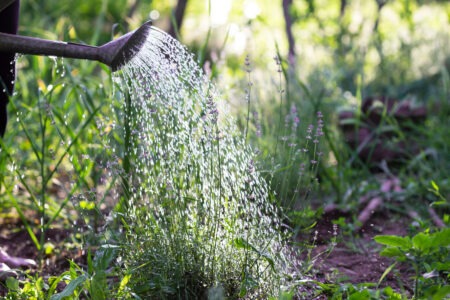
Young English lavender plants should be watered every other day for the first week. Once established, they are quite drought-tolerant, and too much water inhibits their ability to bloom. Mature plants only need to be watered during periods of dry weather, about once per week.
To promote a healthy bloom, after flower buds form, increase the watering frequency to about every four days.
Temperature and Humidity
English lavender grows best in warm conditions but not oppressively hot conditions with low humidity. The plants do poorly in humid climates.
Fertilizer
Do not fertilize English lavender, which may inhibit its ability to flower.
Types of English Lavender
Angustifolia 'Hidcote': a very popular and fragrant shorter variety (about 20 inches tall) with a mounded growth habit and dark purple flower spikes
Lavandula x intermedia 'Hidcote Giant': a larger version with long stems, achieving a height of 36 to 40 inches with very fragrant bright violet flower spikes
Angustifolia 'Munstead': a slow-growing mounding variety 18 inches tall with rosy-purple flower spikes.
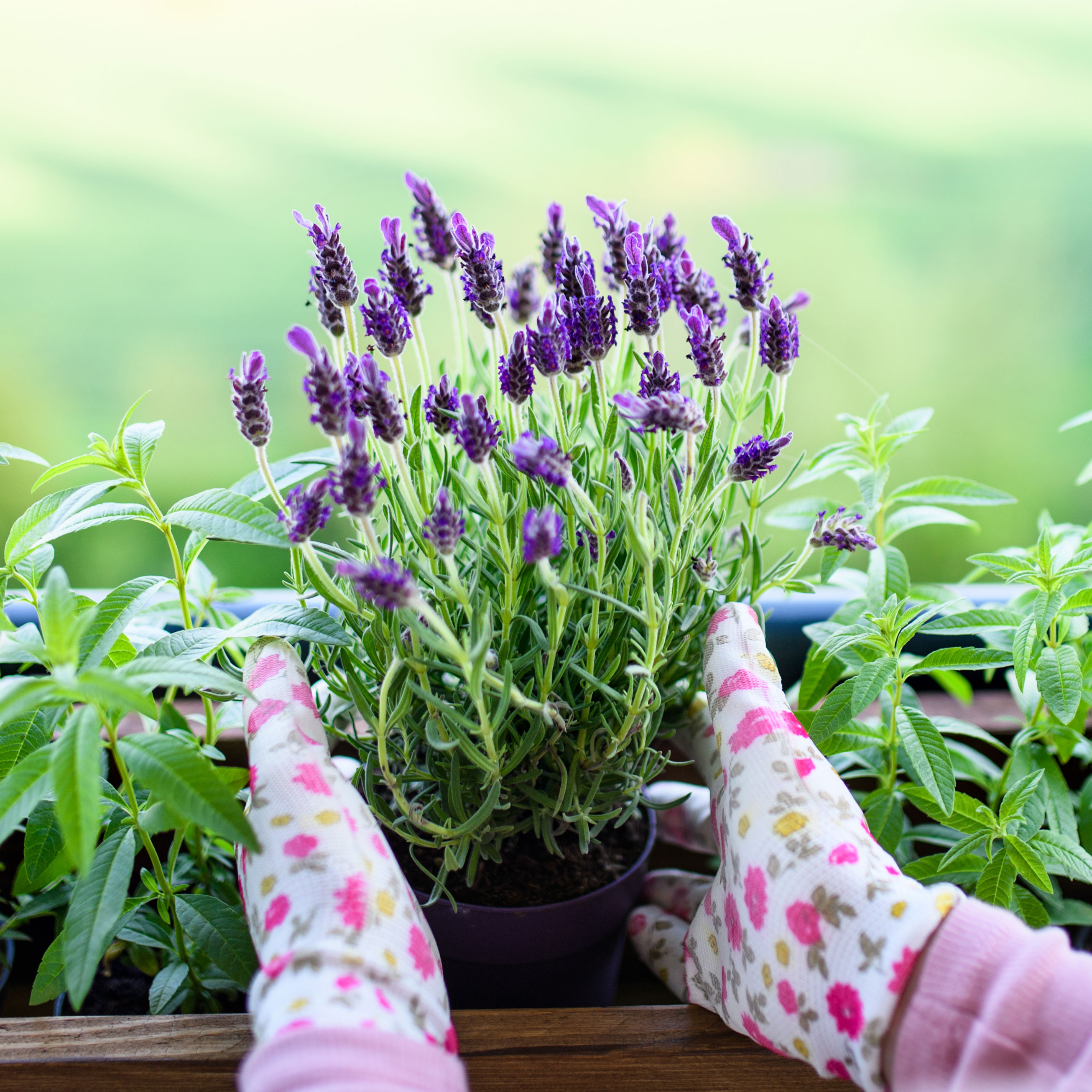
Angustifolia 'Sarah': a 12-inch-tall compact cultivar with medium purple flowers that are ideal for containers
Angustifolia 'Jean Davis': a small, slow-growing variety with light-pink flowers that grows to about 18 inches tall
How to Prune English Lavender
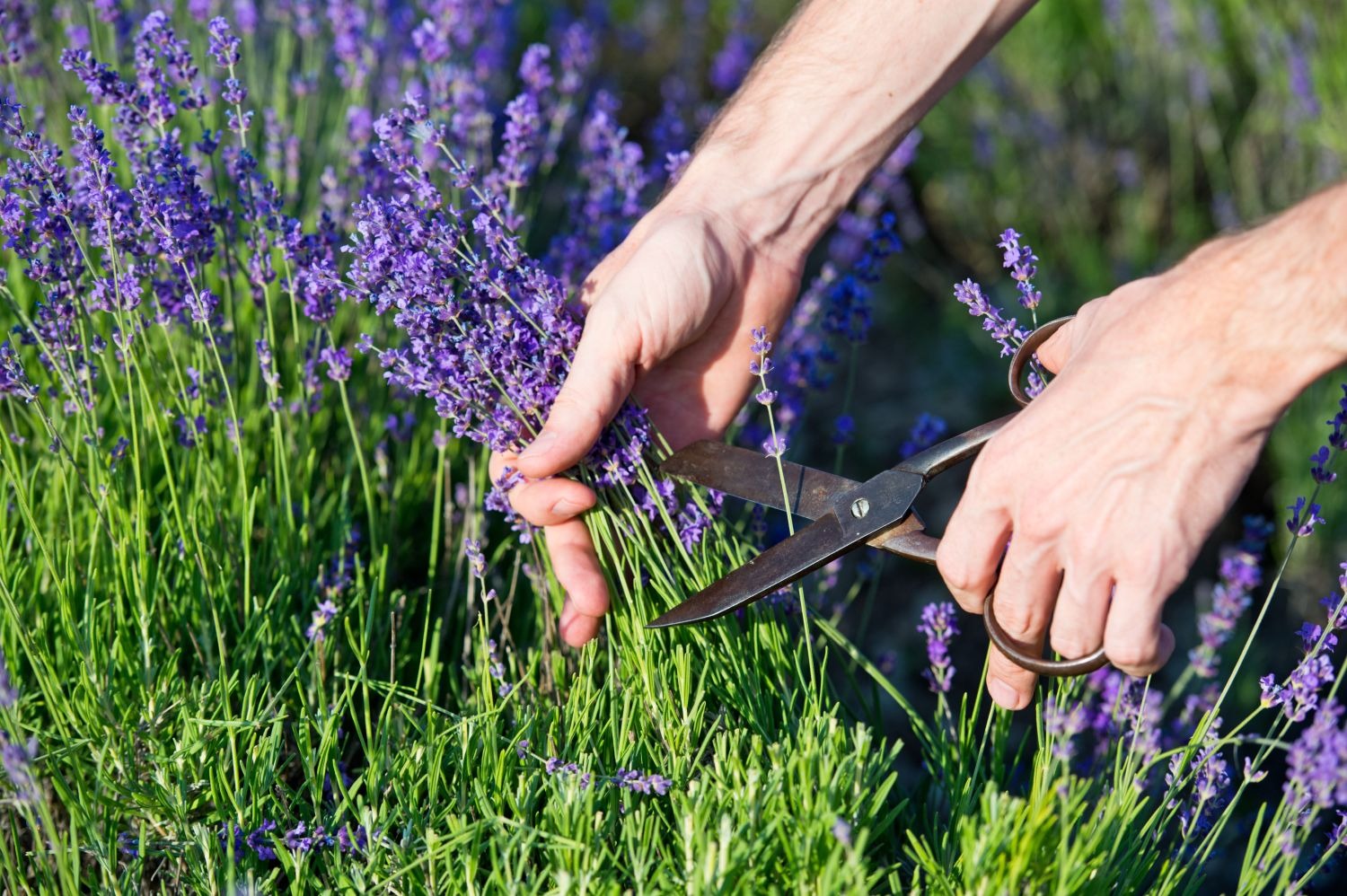
In the spring pruning, cut about one-third of the green stalks to maintain a rounded shape. Never cut into the old woody stems.
Every three years, shear the plants to about eight inches from the ground to control the plants' size and promote new growth.
Common Plant Diseases
English lavender is not affected by many diseases. However, it is susceptible to leaf spot and root rot. Remove affected leaves. Plants with leaf spot might require better air circulation. To prevent root rot, do not overwater your plants; they do not do well in constantly moist soil.
Cloud9lavender
Where Lavender Meets Luxury
From our humble start in my basement, we have become one of Simcoe County's number one small-batch English Lavender growers. We offer a full line of all natural English Lavender Bath & Body products as well as home decor and more.
Cloud9Lavender
Amazing Lavender products and creations.

Customer Care
Quick Links
Contact Details
Ontario Canada
Copyright 2026. Cloud9Lavender. All Rights Reserved.